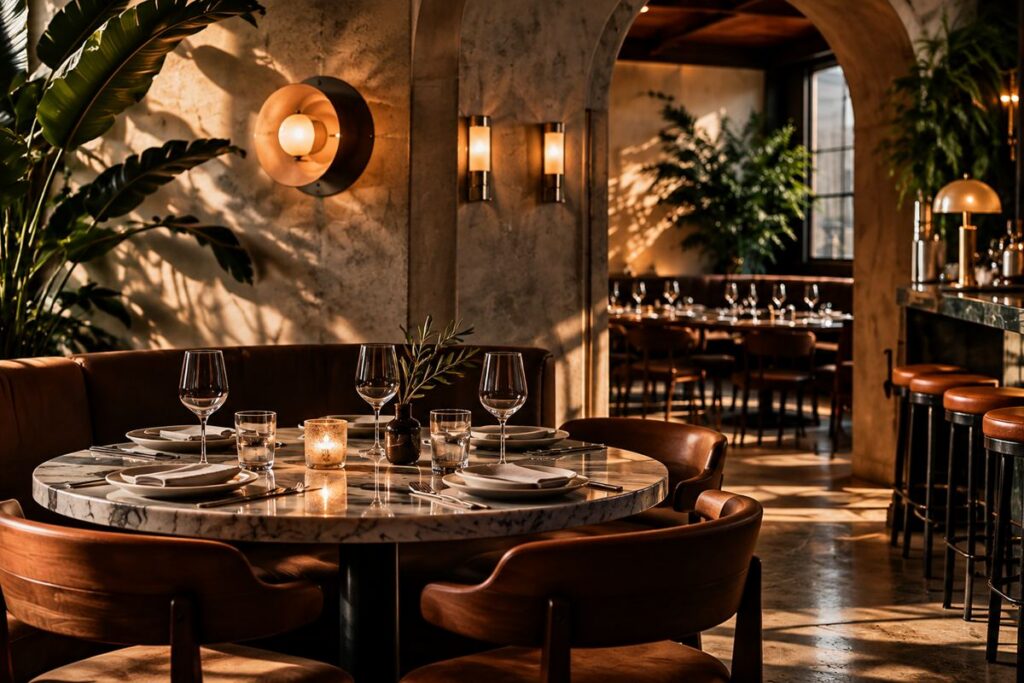
Imagine walking into a beautiful restaurant.
The lighting is perfect. The interiors are thoughtful. Every detail feels intentional.
Now imagine that same restaurant has a website that looks like it hasn’t been touched in ten years.
Something doesn’t add up.
In hospitality, the guest experience starts long before someone takes a seat.
It starts when they’re scrolling through restaurant options on a Friday afternoon. When they look up your menu. When they check your atmosphere, your story, or whether they can book a table.
Your website is often that first impression.
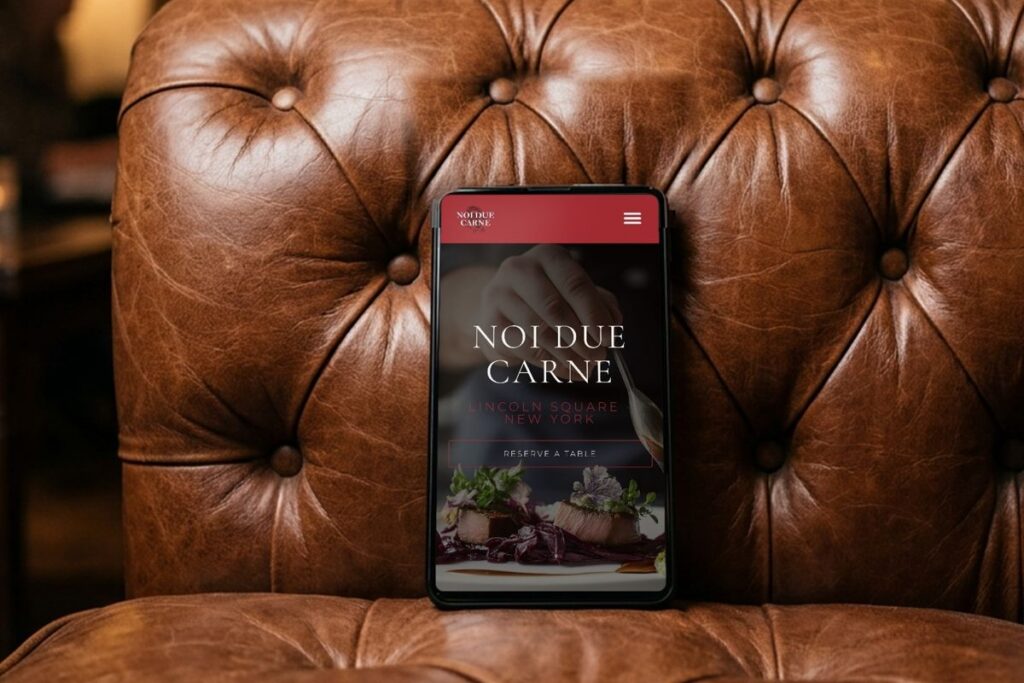
And yet, too many hospitality websites are treated like digital brochures. A logo at the top, a few photos, a menu PDF, and a reservation button.
Functional? Maybe.
Memorable? Not particularly.
A great hospitality website should feel like an extension of the physical space.
If your restaurant is intimate and sophisticated, your digital experience should reflect that.
If your café is energetic, colorful, and full of personality, your website should capture that same energy.
Typography, photography, movement, storytelling, and user experience all play a role in translating an atmosphere into something people can experience through a screen.
But beautiful design is only half the conversation.
Your website also needs to work.
It should make discovering your restaurant effortless, finding information intuitive, and booking a table as seamless as possible.
Because even the most beautiful website loses its purpose when people can’t figure out what to do next.
The best digital experiences balance emotion with intention. They create desire while removing friction.
Your website shouldn’t just tell people where you are. It should make them want to be there.
The OFFMENU perspective
We approach websites the way hospitality brands approach their spaces. Every detail has a purpose, every interaction matters, and the experience should begin before the guest arrives.